

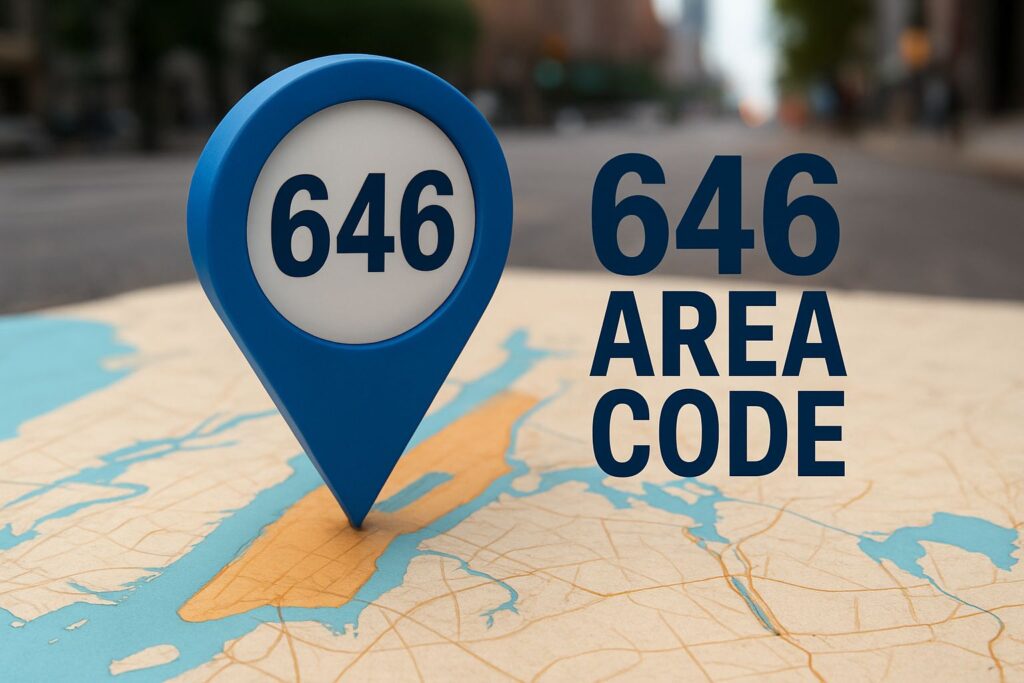
The 646 Area Code is one of the most recognizable parts of the New York City area codes system, created to support the growing demand for phone numbers across Manhattan. First added to the NYC telephone numbering plan in the late 1990s, the 646 on map quickly became a common choice for both landlines and mobile lines as the city expanded. Today, people often search for the 646 phone number location to confirm whether the number comes from Manhattan, whether it’s a 646 code cell phone or landline, or simply to understand more about the 646 dialing area.
But what makes this area code stand out from the others in New York? Why do so many businesses and residents prefer it, and what does it actually say about where a number comes from? This is where the story gets interesting—and it’s why the 646 Area Code has become a topic many people want to explore in more detail.
If you’re trying to verify a number, choosing a phone line for your business, or simply curious about how NYC’s numbering system works, keep reading. This blog will break down every important detail about the 646 Code so you can understand its history, usage, and why it still matters today.
What Is the 646 Area Code?
The 646 Code is one of the most widely used modern numbers within the New York City telephone system. it’s an overlay code created to support the growing number of users in Manhattan and nearby areas. This code appears on both business and personal numbers, making it a common choice for new lines across the city.
Area codes in the United States were introduced to help organize phone networks as demand increased nationwide. The 646 Code followed this structure, becoming part of a system designed to handle millions of calls daily. Many people look up the 646 phone number location NYC or check the 646 code map to confirm whether a call is coming from Manhattan, proving how important it has become in modern communication.
Where Is the 646 Area Code Located?
Many people wonder, where is 646 code exactly located. The 646 Area Code location covers Manhattan in New York City, including neighborhoods such as Midtown, Lower Manhattan, Harlem, and the Upper East and West Sides. Because of this, the 646 area code Manhattan association is strong, making it one of the most recognized codes in the region.
The 646 area code was first issued in 1999 to accommodate Manhattan’s excessive demand for numbers. It works as an overlay with existing codes like 212, 917, and 718, forming part of the 646 area-code overlay 212 network. This means multiple area codes serve the same region, which helps prevent number shortages. People sometimes compare 646 vs 212 area code, but both are equally valid and active in NYC today.
Is the 646 Area Code a Cell Phone Number?
A common question is: is 646 code a cell phone? The answer is—it can be both. The 646 Code is assigned to cell phones, landlines, and VoIP services, making it versatile for all types of communication. When searching 646 code cell phone or landline, you’ll find that carriers assign it freely based on availability, not on phone type.
Today, thousands of new users register numbers through VoIP services, businesses, and mobile carriers. Usage varies, but the 646 Area Code remains heavily associated with personal and business cell phones throughout NYC. If you want to confirm the number type, many users rely on tools to lookup 646 phone number online for more details.
How to Identify Calls from the 646 Map Code
Calls from the 646 Code can come from a variety of sources, including local businesses, service providers, and personal callers in Manhattan. Many people use caller ID tools to check the 646 phone number location before answering, especially when they’re unsure if the call is legitimate.
Like all major city codes, there are occasionally scams from 646 area code location. While many calls are genuine, it’s important to recognize suspicious call patterns, such as repeated missed calls, unknown business names, or automated messages. Separating legitimate calls from unwanted ones helps protect your privacy and keeps communication secure within the 646 dialing area.
Why Does the 646 Area Code Exist?
The reason the 646 Code was created is tied to New York City’s growth. With millions of residents, businesses, and new technology users, NYC quickly ran out of available phone numbers. This led to the introduction of multiple area codes to meet demand.
As Manhattan’s population grew and mobile phones became essential, the need for new numbers increased. The 646 Code relieved pressure from older codes like 212, ensuring that new residents and businesses could still get functioning phone lines. The expansion reflects NYC’s rapid development and the evolving needs of its communication network.
Related Area Codes and How They Connect with 646
New York City has several area codes, and the 646 Area Code works closely with others like 212, 718, 917, and 929. These codes form an interconnected network that supports millions of users daily. The 646 zone code overlay 212 system ensures that phone numbers remain available without changing existing lines.
While 646 vs 212 area code is a common comparison, each serves the same region, and the differences are mostly historical. Today, all NYC area codes function together, giving residents and businesses access to reliable communication.
Interesting Facts and Trivia About the 646 Location Code
The 646 area map has appeared in movies, TV shows, and even songs that highlight modern New York living. Because many new generations of residents use this code, it’s often associated with young professionals and startups, making it part of NYC’s cultural identity.
Another unique detail is the 646 code time zone, which matches the Eastern Time Zone (ET). This becomes useful for people doing business internationally or managing remote teams. Over time, the 646 Code has become more than just a number—it’s a symbol of modern Manhattan and the people who call it home.
Conclusion
The 646 Area Code has become an essential part of New York City’s modern communication system, connecting millions of residents, businesses, and mobile users across Manhattan. From its history and location to its role in today’s expanding network, the 646 code continues to shape how people interact and stay connected in one of the world’s busiest cities.
Whether you’re verifying a caller, choosing a new number, or simply exploring how NYC’s numbering plan works, understanding the 646 code map gives you clearer insight into the city’s technology, growth, and identity. As Manhattan continues to evolve, this area code will remain an important part of its digital landscape—one that reflects both the city’s past and its fast-moving future.